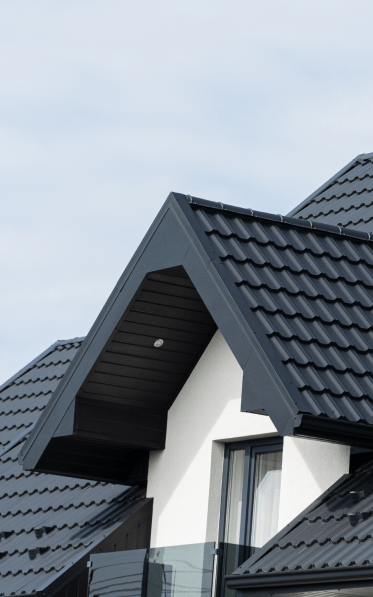
A roof works nonstop to protect a home from sun, wind, rain, and temperature changes. Because damage often develops slowly, many homeowners do not realize there is a problem until leaks or costly repairs appear. Knowing when to call a roofer, especially during key seasonal transitions, helps prevent small issues from turning into major expenses.
Seasonal roof maintenance keeps materials in good condition and extends the life of the roof. Each season brings different risks, and understanding what to watch for makes it easier to decide when professional help is needed.
Spring: Inspect After Winter Stress
Spring is one of the most important times to call a roofer. Winter weather can be harsh on roofing materials, even in milder climates. Cold temperatures, wind, and moisture often loosen shingles and compromise flashing.
Homeowners should look for missing shingles, lifted edges, cracked sealant, and granules collecting in gutters. Interior signs such as water stains on ceilings or walls also point to roof damage.
A roofer can perform a full inspection to identify issues left behind by winter weather. Early spring repairs prevent leaks during heavy spring rains and reduce the risk of mold growth.
Summer: Address Heat and Storm Damage
Summer heat places intense stress on roofing systems. Prolonged exposure to high temperatures can cause shingles to curl, blister, or fade. Sudden summer storms often bring high winds and heavy rain, which can exploit weak spots in the roof.
Call a roofer if shingles appear warped, brittle, or discolored. Poor attic ventilation may also become noticeable during summer, as heat buildup raises cooling costs and shortens roof lifespan.
After severe storms, a roofer should inspect the roof even if damage is not immediately visible. Hidden issues, such as lifted shingles or compromised underlayment, often worsen over time if left unaddressed.
Fall: Prepare for Colder Weather
Fall is an ideal season for preventative roof maintenance. Cooler temperatures make repairs easier, and addressing problems before winter reduces the chance of emergency repairs later.
Leaves and debris frequently accumulate on roofs and in gutters during fall. Clogged gutters trap moisture, which can damage shingles and fascia boards. A roofer can inspect drainage, flashing, and sealants to ensure proper water flow.
If a roof is nearing the end of its lifespan, fall is often the best time to schedule replacement. Mild weather allows for smoother installation and ensures the home is protected before winter arrives.
Winter: Watch for Warning Signs
While winter is not always the best time for major roofing projects, there are situations when calling a roofer becomes urgent. Ice dams, leaks, and sudden shingle loss require immediate attention.
Signs of winter roof problems include water dripping indoors, sagging ceilings, or visible ice buildup along roof edges. These issues can cause serious structural damage if ignored.
A roofer can provide temporary repairs or emergency solutions that protect the home until permanent work is possible. Quick action during winter often prevents extensive interior damage.
Year-Round Signs You Should Call a Roofer
Some warning signs are not tied to a specific season and should never be ignored. Call a roofer if any of the following appear:
- Water stains on ceilings or walls
- Missing, cracked, or curling shingles
- Sagging rooflines
- Excessive granules in gutters
- Mold or mildew near the roofline
- Unexplained increases in energy bills
These signs indicate underlying issues that typically worsen over time.
Why Seasonal Maintenance Matters
Seasonal roof maintenance saves money by catching problems early. Small repairs cost far less than full replacements or interior water damage restoration.
A roofer brings professional insight, safety equipment, and experience that homeowners lack. Regular inspections help document roof condition, which can also be helpful for insurance purposes.
Consistent care extends roof lifespan, improves energy efficiency, and protects the overall value of the home.
How Often Should You Call a Roofer?
Most homes benefit from a professional roof inspection at least once per year. Many homeowners schedule inspections in spring or fall, while also calling a roofer after major storms.
Homes with older roofs or heavy tree coverage may need more frequent inspections. A trusted roofer can recommend a maintenance schedule based on roof age, materials, and local climate.
Final Thoughts
Knowing when to call a roofer is a key part of responsible homeownership. Seasonal changes place unique stresses on roofing systems, and proactive maintenance prevents costly surprises.
By addressing issues early and scheduling regular inspections, homeowners protect both the roof and the home beneath it. A reliable roofer helps ensure the roof performs as intended, season after season.